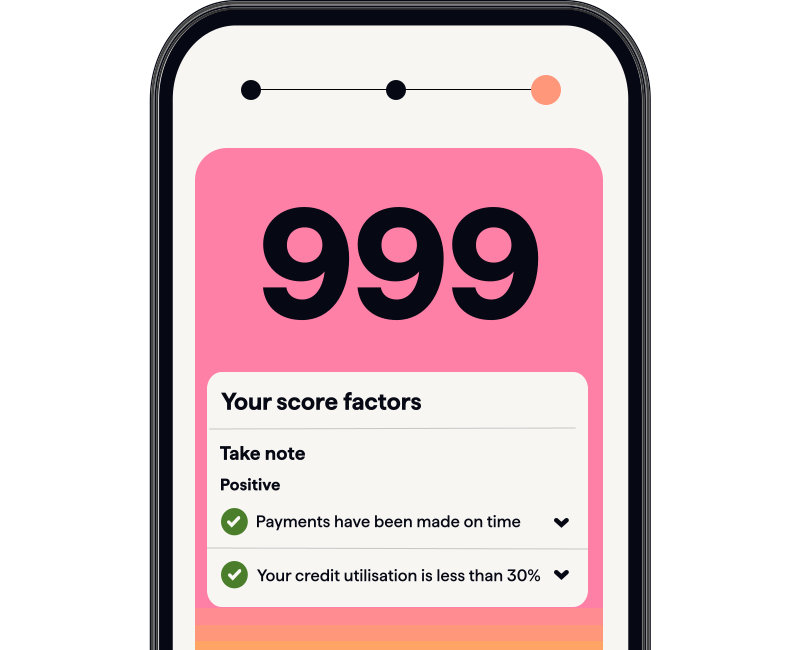
Score Summary
Get a breakdown of your current score, and understand any factors affecting it.
When you apply for a credit card, mortgage, loan, or any other type of credit, lenders typically check your credit report to help them make their decision. Checking your own credit report won't affect your credit score, so it's worth reviewing regularly to stay on top of your credit health.

A credit report is a detailed record of your borrowing history, including credit cards, personal loans, overdrafts, and mortgages. If you're over 18 and have a bank account, chances are you have a credit report. When you apply for credit, lenders review the information on your report to help make their decision.
Those with a legal reason or your permission can access your credit report, including you, banks, mortgage providers, lenders, utilities companies, mobile phone contractors, letting agents and landlords, debt collection agencies, and insurance companies. In some cases, a potential employer may also request to see your credit report – for example, if the role you’re applying for involves handling large sums of money. Sign up and see what lenders see.

Information typically stays on your credit report for six years, but there’s a variety of data on your credit report, and the retention time depends on what it is.
Read more about how long financial records remain on your report.

You can check your information from the UK’s three main credit reference agencies in one place with Checkmyfile.
We break down your credit history in a way that makes sense. Here, you can understand your habits, pinpoint patterns and correct any errors that could be impacting your overall credit health, without affecting your score.
Sign up today with a 7-day free trial. It’s then £14.99 a month and you can cancel online anytime.

A UK credit report holds information about your last six years of credit history, as well as personal information, like your name and addresses, and your credit accounts – cards, loans, mortgages, and overdrafts. It'll also show your payment history, whether payments were made on time, arrived late, or were missed altogether.
Then there are public records, including CCJs, bankruptcies, and insolvencies, plus any previous credit searches and details of other people or accounts you're financially linked with.
Get a breakdown of your current score, and understand any factors affecting it.
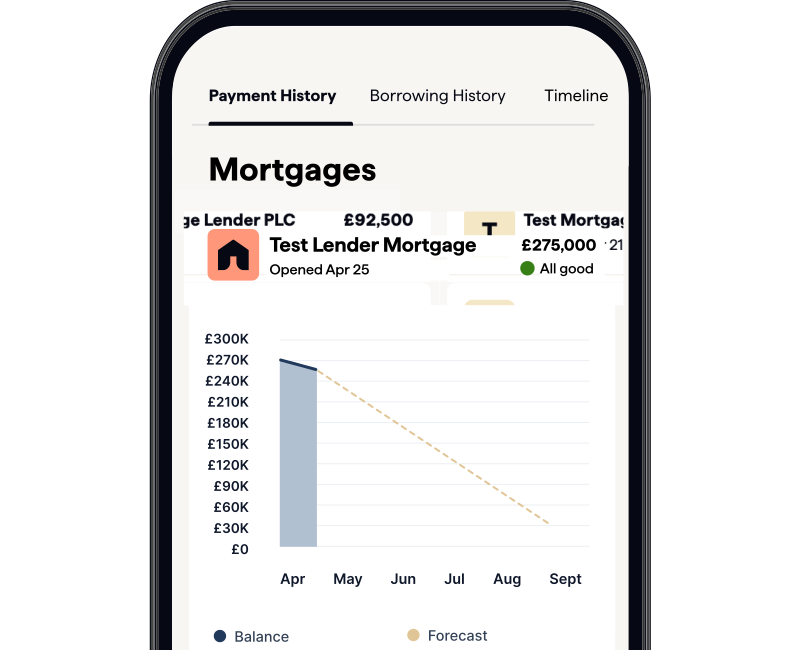
Get a detailed overview of your payment and borrowing history over the past six years.
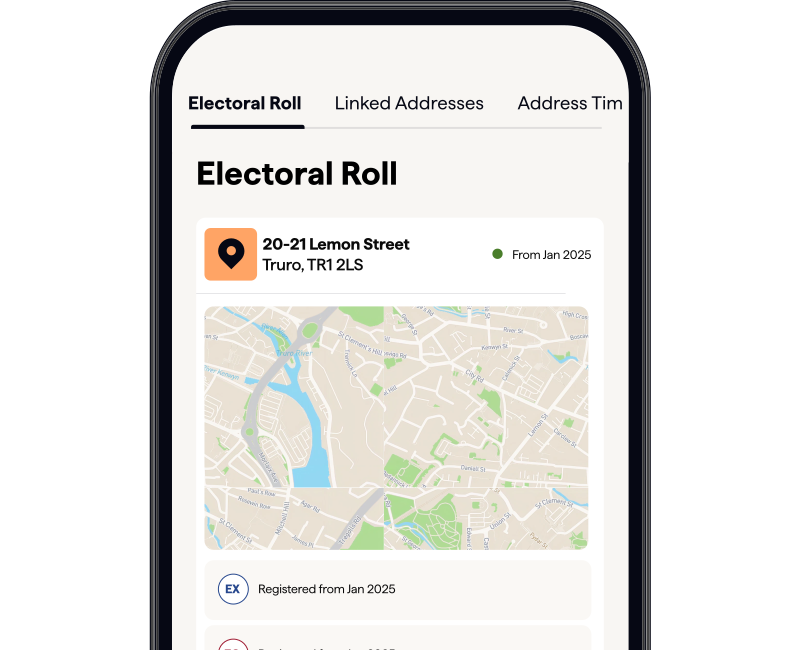
See what information is held about your current address, past addresses and your Electoral Roll status.
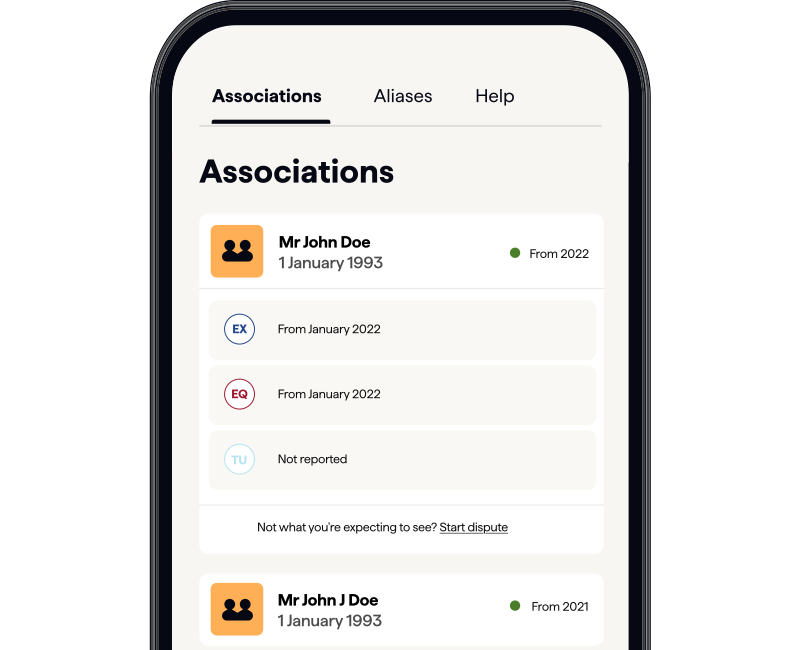
Find a full list of people you’re financially connected to.
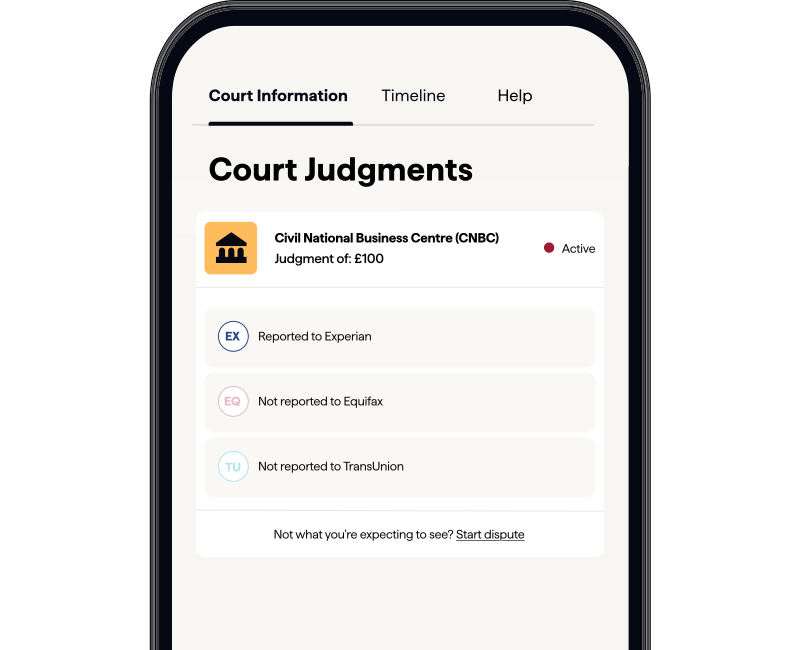
Find any court information held on your credit report with the Credit Reference Agencies.
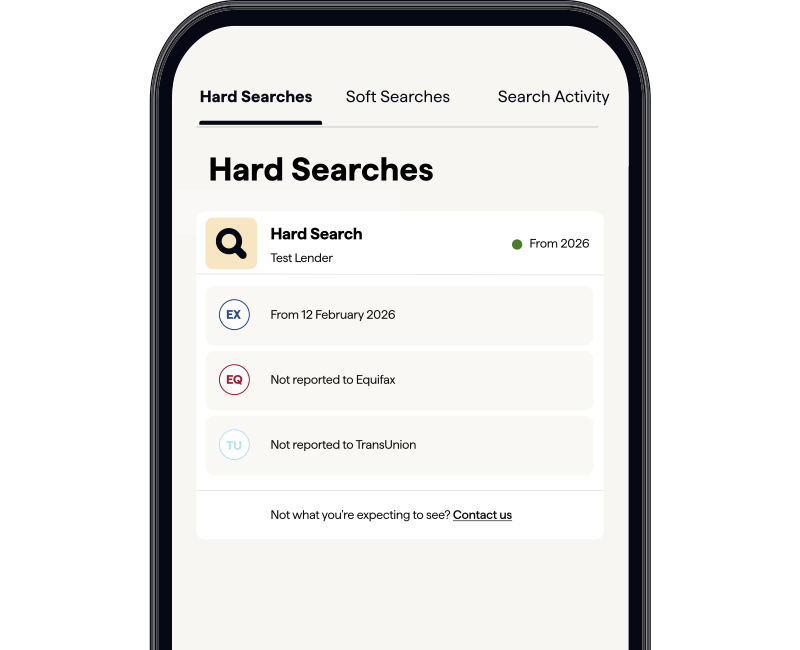
See which companies have been checking your credit report.